Mesapamea secalis (Linnaeus, 1758) Species
Last modified: Nov. 19, 2025, 2:08 p.m.
A not-so-common species throughout Belgium. Not as common as M. secalella.
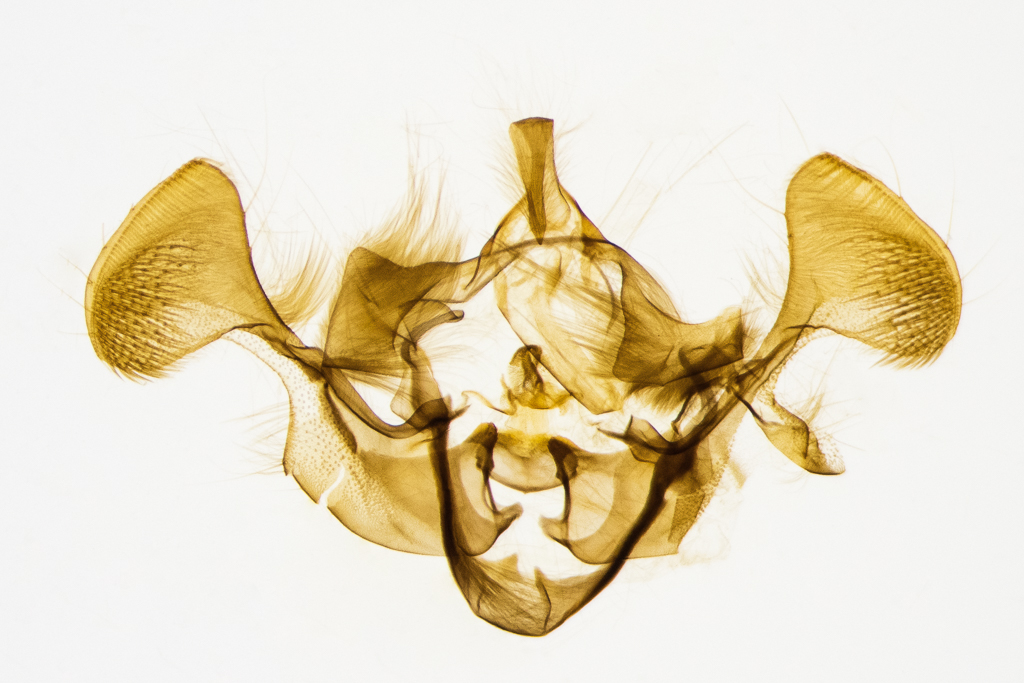
Observations after 2024 only take into account specimens that were genitalized.
Data Deficient due to a lack of sufficient data according to the IUCN Red List category for Flanders 2023.
Details
- Classification
- Family: Noctuidae > Subfamily: Xyleninae > Tribus: Apameini > Genus: Mesapamea > Species: Mesapamea secalis
- Vernacular names
- Halmrupsvlinder (NL), Common Rustic (EN), L'Hiéroglyphe (FR), Getreide-Halmeule (DE)
- Synonyms
- Mesapamea didyma (Esper, 1788)
- First mention in Belgium
- De Sélys-Longchamps E. 1857a. Catalogue des Insectes Lépidoptères de la Belgique. — Annales de la Société entomologique belge 1: 1–111. On page 87.
- Status
-
Native
Distribution
Imago
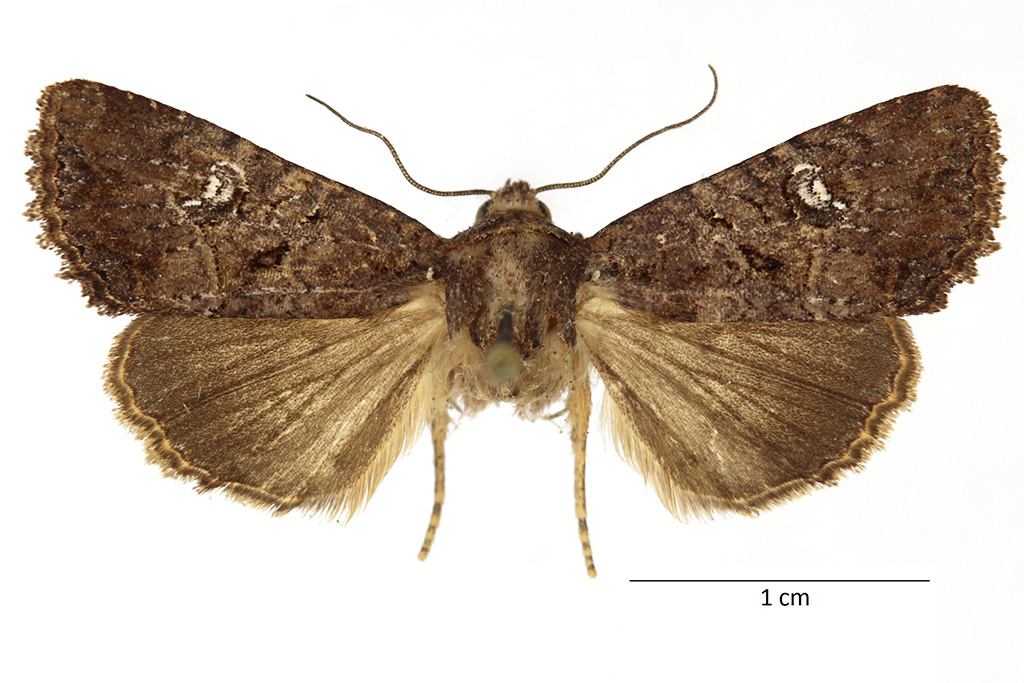
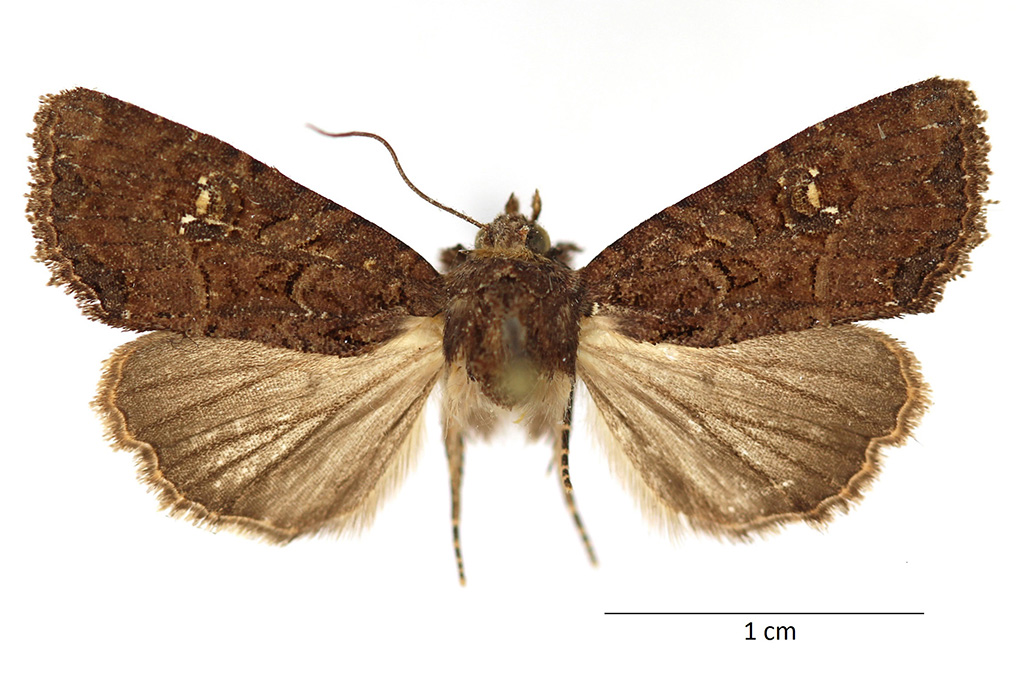
Wingspan 27–30 mm.
Museum specimens
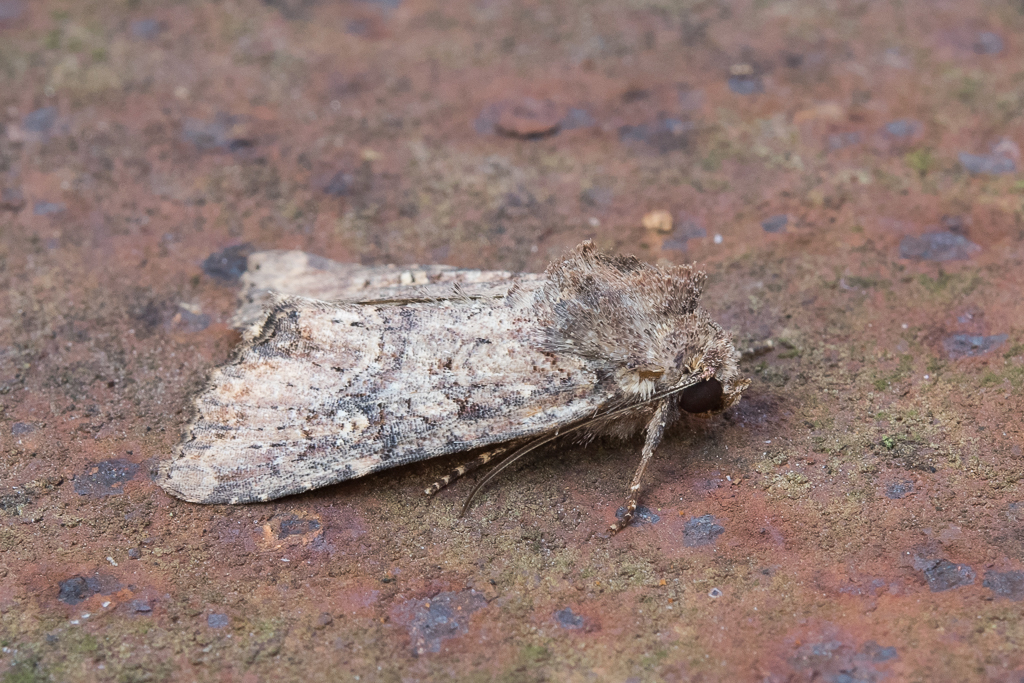
Specimens in nature

Genitalia
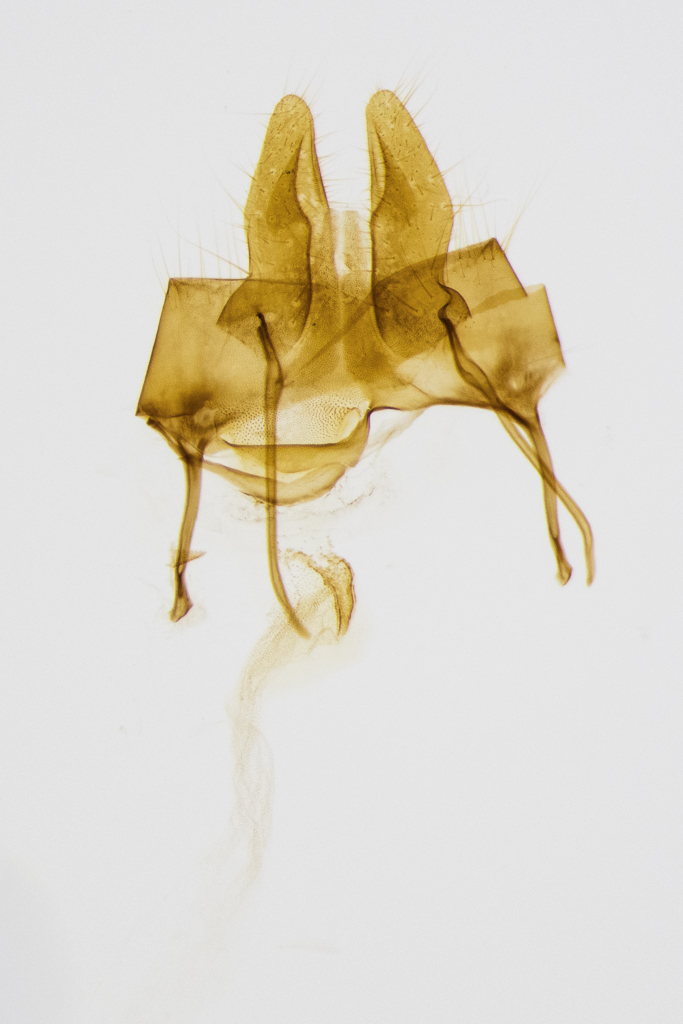
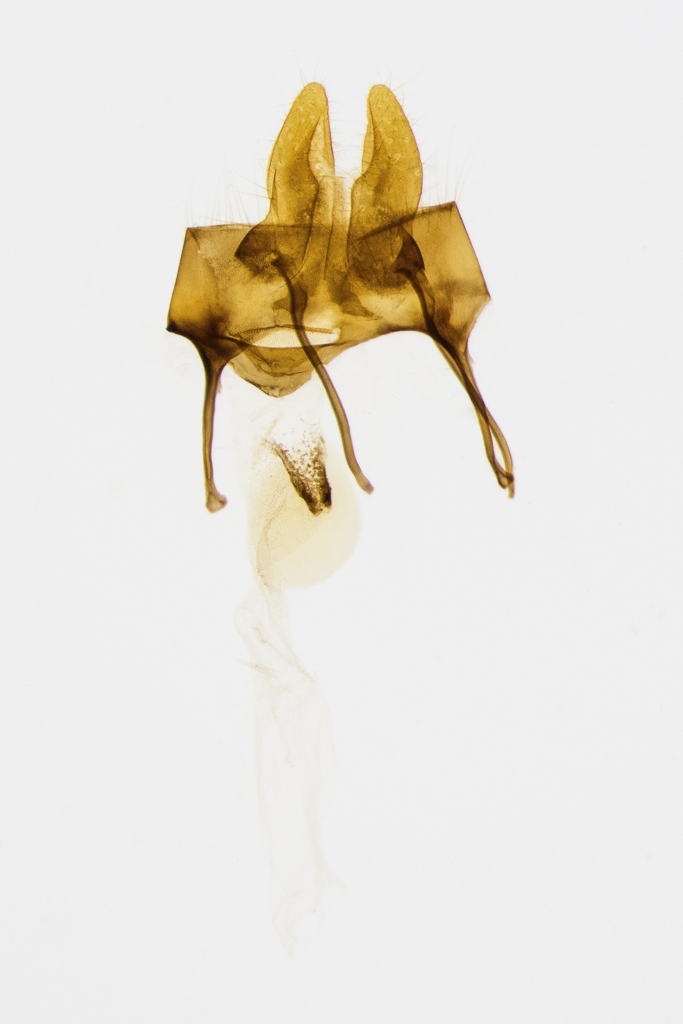
Bionomics
Hibernates as larva. Pupation in a cocoon under the ground.
The adults come to light and sugar.
No pictures yet!
Flight periods
The adults fly from late May till mid-September.
Observed on
- Host plant (species):
- Luzula pilosa
- Substrates:
- Grasses
The larva lives inside the stems of several species of Gramineae, especially on Dactylis glomerata or Festuca arundinacea.
No pictures yet!
